Artichokes & Acceptance
On acceptance, nervous systems, and the quiet medicine growing in California fields.

Have you reached the place of acceptance yet?
It isn’t peaceful. Not exactly.
It’s the kind of acceptance that comes after you stop counting the wars, the unnecessary deaths, the absurd press conferences, the constant churn of headlines designed to inflame. It’s the quiet realization that the next few years may carry a steady hum of chaos — and that our nervous systems will feel it.
Outrage still lives in my body. Anger, too. But I’ve stopped trying to metabolize the world through urgency alone. Instead, I’ve turned toward something slower. I’ve doubled down on anti-inflammatory foods. On feeding my soul. On repairing what constant stress quietly erodes. If I can’t control the noise, I can tend to my internal landscape.
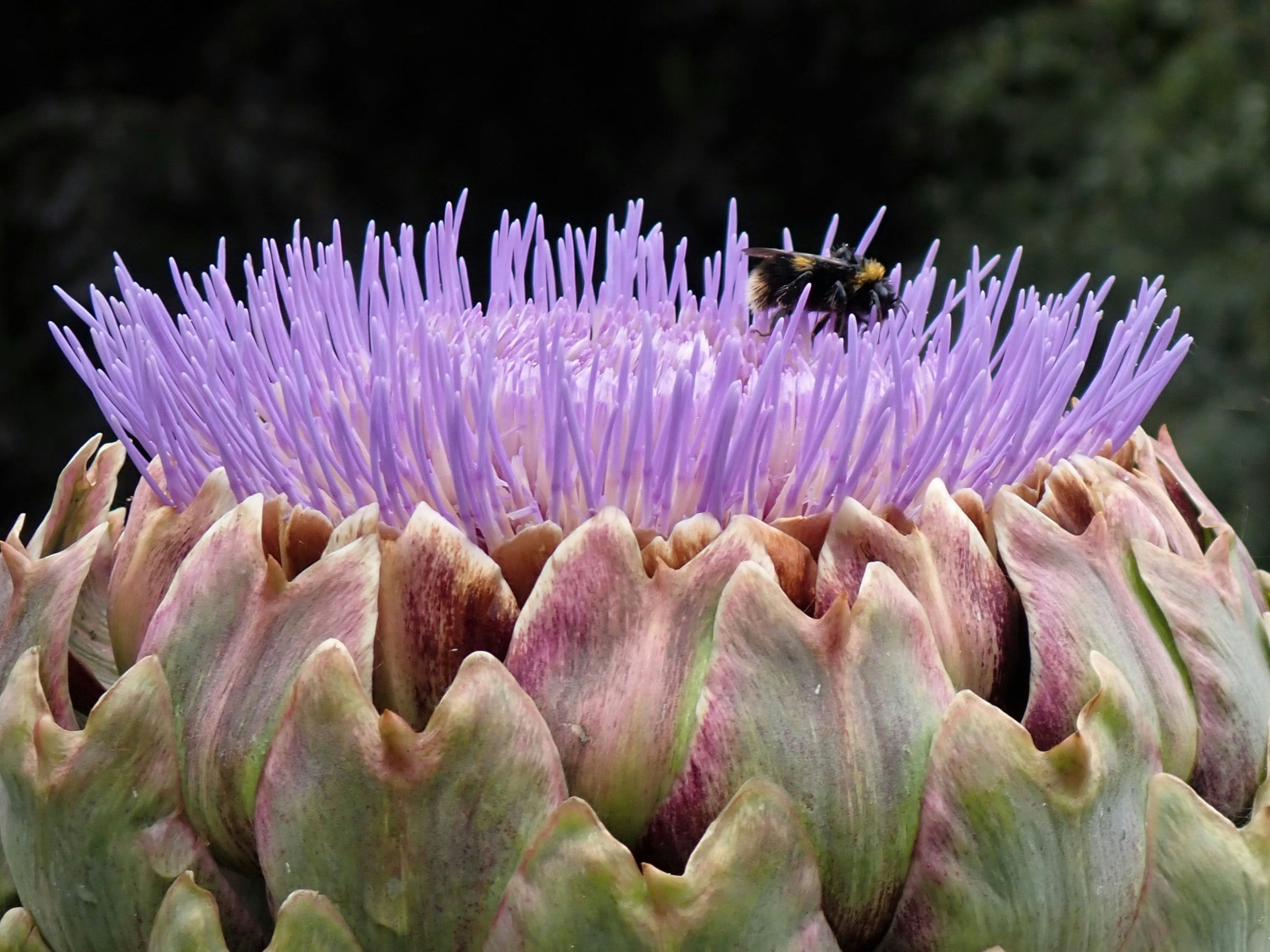
Lately, that tending looks like artichokes.
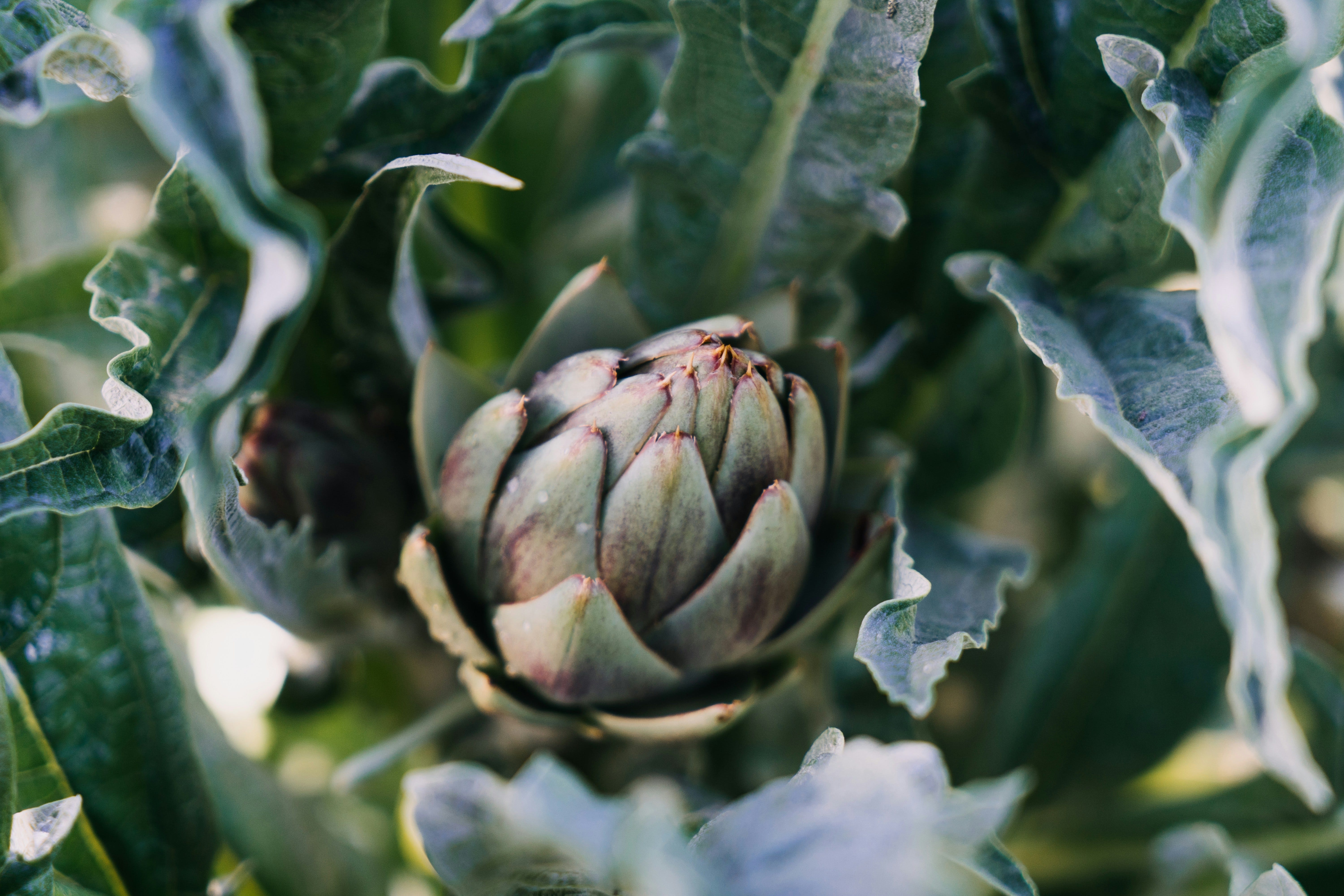
There is something medieval about them — armored, scaled, almost reptilian. Our English word artichoke comes from the old Spanish alcarchofa, which comes from the Andalusi Arabic al-kharshufa, rooted in the Arabic word harashef, meaning “scale,” like fish or lizard skin. A vegetable in protective gear.
Artichokes have been cultivated for at least 5,000 years — first in Ethiopia and Egypt, then spreading across the Mediterranean where they became staples in Italy, France, and Spain. In the 1800s, French settlers brought them to Louisiana. Spanish merchants carried them west to California, where the cool fog of Monterey Bay proved ideal. Today, nearly all artichokes consumed in the United States are grown in Castroville, California — the self-proclaimed Artichoke Capital of the World.
Empires shift. Headlines flare. Artichokes keep growing. Nutritionally, they are quiet medicine. They’re rich in magnesium and folate — nutrients that support the nervous system and soften the physiological edges of stress. They contain one of the highest antioxidant profiles of any vegetable, including polyphenols like cynarine and flavonoids such as quercetin and luteolin, compounds known to reduce inflammation and oxidative stress.
One medium artichoke delivers nearly seven grams of fiber, much of it inulin — a prebiotic fiber that feeds beneficial gut bacteria and helps stabilize blood sugar. In a time when our bodies are constantly negotiating stress hormones, that matters.
But beyond the data, there is the ritual.
Artichokes demand patience.
You steam them slowly. You peel back each leaf. You dip. You scrape. You work your way inward toward the heart.
It isn’t fast. It isn’t efficient. It requires your hands. And maybe that’s what I’m craving right now — food that asks something of me. Food that slows my breathing. Food that reminds me that nourishment is layered.
That protection doesn’t mean hardness. That something can look armored on the outside and still be tender at its core.
Maybe that’s the lesson.
Acceptance isn’t passive.
It’s protective.
It’s choosing where your energy goes.
It’s building resilience in small, repetitive ways.
Cooking an artichoke won’t end a war. It won’t fix corruption. It won’t quiet every anxiety. But it can remind you that nourishment is still available. That ritual is still available.
And sometimes, that’s enough.
If artichokes are showing up in your markets right now, here are a few ways I like to bring them to the table.

Words, songs, inspiration, and lessons I saved, read, wrote down, and savored last month.
READ - This Everyday Fruit Is Still Showing Traces of a 2015 Environmental Disaster
READ - How to Start a Seed and Plant Swap
READ - Op-ed: Can the Food Justice Movement and MAHA Find Common Ground?READ - The Fight for the Future of the World’s Best Cinnamon
LISTEN - How glyphosate got a greenlight from Trump
Events & Opportunities