
Growing Food as Agency
What the checkout line, pesticide policy, and a backyard garden reveal about control, resilience, and participation in the food system.


Growing Food Is More Than Gardening. It’s Agency
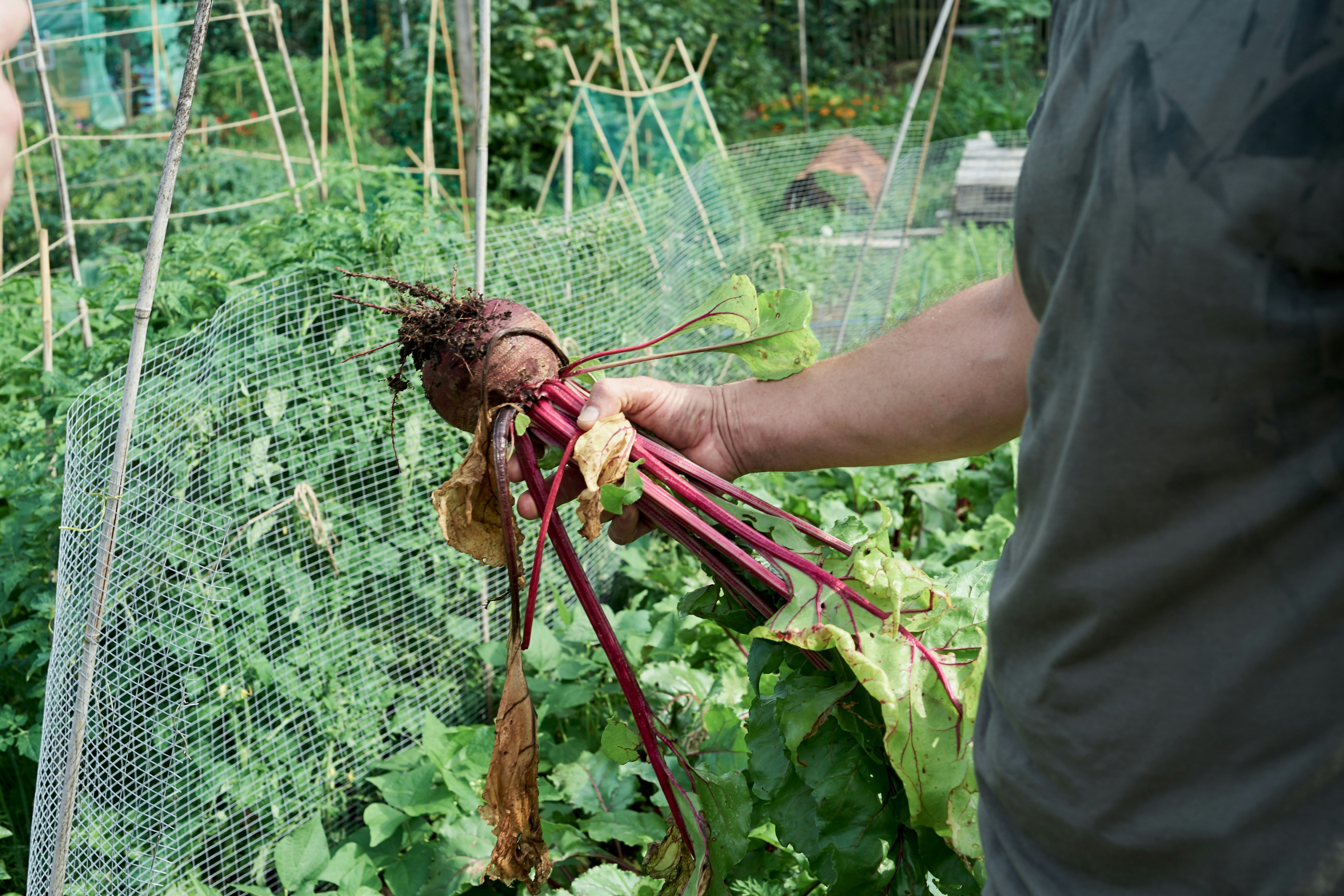
Have you felt it at the checkout line lately?
You load the belt with what used to be the basics — greens, eggs, olive oil, a few vegetables — and the total climbs faster than expected. Again.
Then, almost on cue, a headline flashes across your phone: “Trump’s Order Could Put More Pesticides on US Produce.”
It feels like an episode of “You Can’t Make This Shit Up.”
It’s a strange combination — rising costs and declining confidence.
You’re paying more. And trusting less.
That tension sits in the body.
I don’t teach people to grow food because I believe backyard gardens will dismantle industrial agriculture. And I don’t believe everyone needs to become fully self-sufficient.
I teach people to grow food because it restores agency.
Agency is simple: the ability to act within your own sphere. To influence something tangible. To participate instead of only consuming.
When you plant a seed, you step into a direct relationship with your food. You choose the soil. You choose the inputs. You decide what doesn’t go in. You watch it grow. You harvest it yourself.
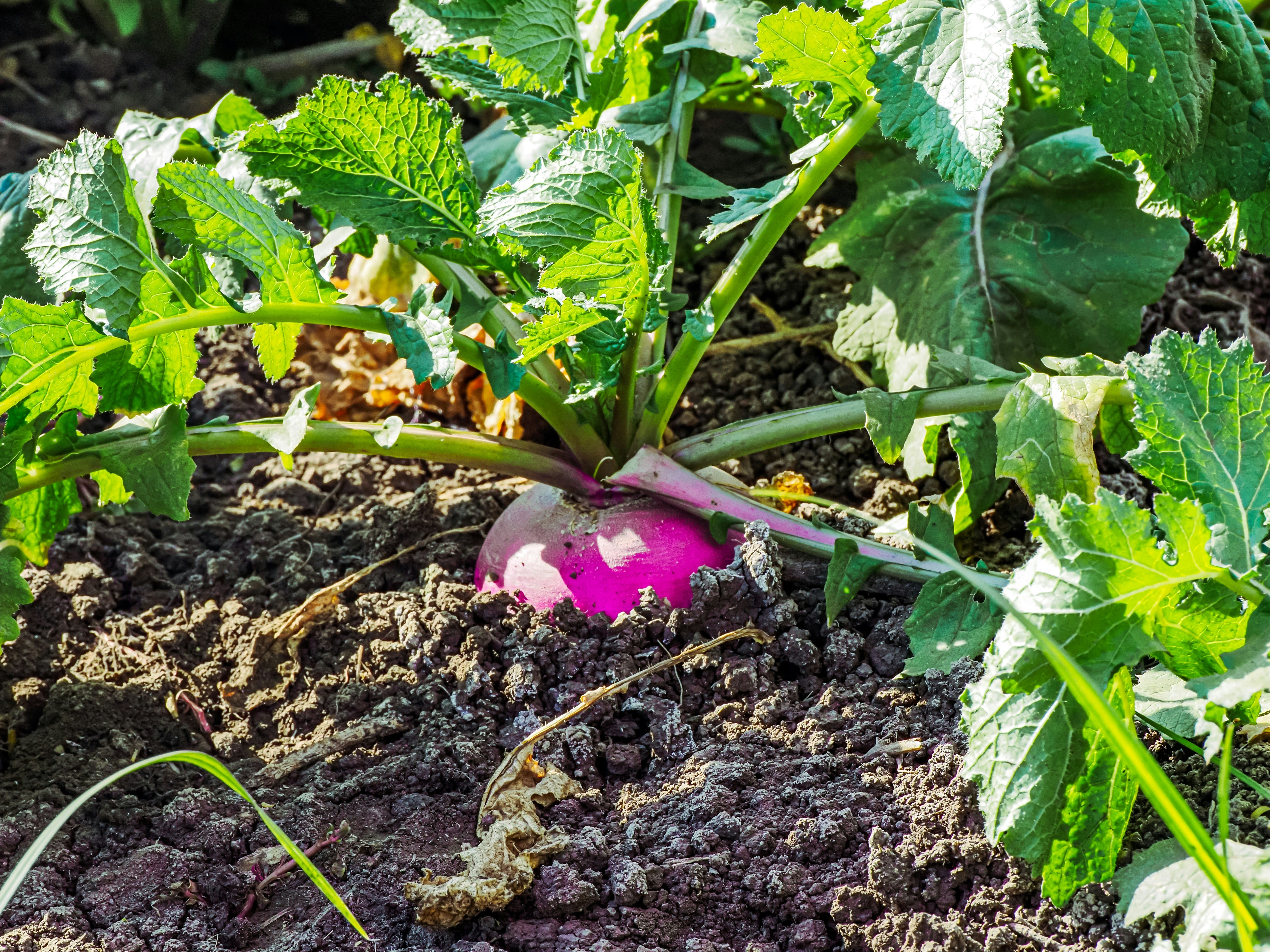
That feedback loop changes something.
You are no longer only responding to grocery prices or federal policy shifts. You are producing — even if it’s just herbs on a windowsill, greens in a raised bed, or tomatoes in containers on a patio.
It may seem small.
It isn’t.
I’ve watched people harvest their first head of lettuce and hold it differently than anything they’ve ever bought. Not because it’s extraordinary — but because it’s theirs. They know its story. They know what touched it. They know the effort behind it.
That knowledge builds literacy.
You start asking different questions. About soil. About residues. About inputs. About why certain systems rely heavily on chemicals like glyphosate and others don’t. You begin to understand that agriculture is not neutral — it is designed.
And if systems are designed, they can be redesigned.
Growing food becomes civic education in real time.
It also builds competence.
You learn that soil can be rebuilt. That mistakes can be composted. That abundance requires planning and attention. That resilience is not dramatic — it’s seasonal.
In a moment when grocery bills continue to rise and federal policies may expand chemical allowances in conventional agriculture, that competence matters.
Growing your own food is not just about personal health.
It’s about reclaiming a measure of control in a system that often feels distant and opaque.
It’s about reducing dependence, even slightly.
It’s about knowing that if supply chains wobble, you still have something rooted in your own soil.
That’s why we’re launching two Seed to Supper cohorts this season.
The Foundations cohort is for those ready to begin — to learn how to grow a meaningful portion of their own food, even in small spaces and on a limited budget.
The Advanced cohort is for gardeners ready to think long-term — soil health, seed saving, fruit trees, regenerative systems that improve year after year.
Both are free. Both require commitment. Both are built for people who want to participate, not just observe.
Growing food won’t undo federal policy. It won’t change agricultural regulation overnight. But it changes your relationship to the system. It shifts you from passive consumer to active producer.
And right now, that shift feels necessary.
Registration is open.
Let’s grow something real.


This is a beautiful thing you are doing Dena!
Thank you.